📌 Save this for later on Pinterest
I like knowing where a plan usually breaks before I start, so I can patch it early. Most first no spend months do not fail from lack of willpower; they fail from a few predictable planning gaps.
That is why no spend month mistakes often show up early, before new habits have time to settle. A slip is information, not failure, and it can show you exactly which part of your plan needs a small change. With a clearer plan, a little room for real life, and a simple way to restart, your first month can feel steady instead of stressful.
If you only have 30 seconds
- Most first-month problems are planning gaps, not a lack of willpower.
- Write short rules, keep bills and groceries planned, and leave room for birthdays and social plans.
- Track each day simply, and treat a slip as a signal to adjust, not a reason to quit.
- Pick a small, free reward and a clear reason so the month feels worth finishing.
Why They HappenThe 7 MistakesQuick Fixes TableRestart After a Slip

Why No Spend Month Mistakes Happen in the First Week
The first week is when most decisions pile up at once. You are still learning what counts as essential, what can wait, and what to do when a tempting offer appears.

Many no spend challenge mistakes happen because the plan was made in general terms, not for real days. A rule like “spend less” does not help when you are tired, hungry, or invited out.
I know my own weak spot is a tired evening with a sale email open. A specific plan does, because it tells you what to do next instead of leaving the choice to the moment.
This is also why no spend challenges fail more often from surprise than from desire. An unplanned birthday, a bill you forgot, or an empty pantry can turn a small decision into a stressful one.
The fixes below are not about being perfect. They are about making the next decision easier.
The 7 Most Common No Spend Month Mistakes
These are the patterns that show up most often in a first no spend month. Each one is fixable, and most fixes take only a few minutes to set up.
1. Starting Without Written Rules
If your rules live only in your head, they change every time you feel tempted. You may allow something on Monday and regret it on Tuesday, simply because the rule was never clear.
Written rules remove that daily debate. If you need a starting point, borrow from these no spend challenge rules. They do not need to be long or strict, but they should name what is paused, what is always allowed, and what counts as an exception.
Tip: Write your rules on one page or in a phone note before day one. Read them once each morning during the first week, then adjust only at a planned check-in, not in the middle of a shopping moment.
The fix: Write short rules down before day one and keep them where you can see them.
2. Having No Plan for Groceries and Bills
Bills do not pause for a no spend month, and groceries still need to be bought. When these are left unplanned, they can feel like failures even though they are essential spending.
A simple plan keeps essentials separate from optional spending. Check due dates in advance, make a grocery list, and use what you already have at home first.
A few pantry meal ideas make that easier. That way, a grocery trip does not turn into an unplanned shopping trip.
Tip: Plan meals loosely for the week, not perfectly for the month. A short list, a few repeat meals, and one backup meal for busy nights can prevent many last-minute purchases.
The fix: Keep bills on schedule and set a simple grocery plan before the month starts.
3. Being Too Strict
An all-or-nothing plan can feel strong on day one and exhausting by day five. When every small need feels like breaking a rule, it is harder to keep going.
Being too strict often leads to the opposite result: one small purchase feels like the whole month is ruined. A realistic plan leaves room for essentials and a few planned exceptions, so you do not have to decide under pressure.
Tip: Allow one small, planned treat if it helps you stay on track, such as a coffee you truly enjoy. A planned treat is different from an impulse buy, because you chose it in advance.
The fix: Keep the month firm but realistic, with a few planned exceptions.
4. Ignoring Social Plans and Birthdays
Social life does not stop during a no spend month. If you do not look at your calendar first, invitations and birthdays can feel like traps instead of good news.
Ignoring them can also create pressure to spend more later, either to catch up or to avoid feeling awkward. A little planning lets you show up without overspending. Free and low-cost options often work well, especially when you suggest them early.
Tip: Before the month starts, list birthdays, dinners, and gatherings. For each one, choose a simple option in advance, such as bringing a dish, writing a thoughtful card, or meeting for a walk instead of a meal out. These no spend weekend ideas work well for plans with friends.
The fix: Check your calendar first and plan low-cost ways to show up.
5. Not Tracking Days
Without tracking, a month can blur together. You may forget how far you have come, miss a pattern, or feel like you are starting over every day.
Tracking does not need to be detailed. A calendar, a notebook, or a simple note on your phone is enough. The goal is to see progress and notice what tends to lead to unplanned spending.
Tip: Mark each day at the same time, such as in the evening. Add one short note only when something was hard, such as “tired after work” or “sale email.” That note is useful information for next time.
The fix: Mark each day and note slips briefly, without judgment.
6. Giving Up After One Slip
One slip does not erase a whole month of careful choices. Yet many people treat it as proof that the challenge has failed, and then stop trying altogether.
This is one of the most common no spend challenge mistakes because it turns a small moment into a full stop. A better approach is to pause, learn from the slip, and restart at the next decision. You do not need to wait for a new month, a new week, or a perfect Monday.
Tip: After a slip, ask one question: “What would make this easier next time?” Change one thing, such as unsubscribing from sale emails or keeping a snack at home, and move on.
The fix: Treat a slip as one data point and restart at your next decision.
7. Having No Reward or Reason
A month with no clear reason can start to feel like deprivation. When the only goal is “do not spend,” it is easy to lose motivation, especially in the second half of the month.
A reason gives the challenge meaning, and a reward gives you something to look forward to. I like writing my reason on the first page of the tracker so I see it every night.
The reason might be building savings, paying down a bill, or simply learning your spending patterns. The reward should be free and enjoyable, not another purchase.
Tip: Write one sentence about why this month matters to you, and choose one free reward for finishing, such as a movie night at home, a long walk in a favorite place, or a relaxed morning with no errands.
The fix: Write one clear reason and one free reward for finishing the month.
Save this for later
Pin this to your board so it’s ready next time.
Quick Fixes at a Glance
| Mistake | Warning sign | Simple fix |
|---|---|---|
| No written rules | You keep changing what counts | Write short rules and keep them visible |
| No grocery or bill plan | Essentials feel like failures | Plan bills and groceries in advance |
| Too strict | One small buy feels like total failure | Allow a few planned exceptions |
| Ignoring social plans | Invitations cause stress or overspending | Plan low-cost options before the month starts |
| Not tracking days | The month feels blurry and hard to review | Mark each day and add one short note |
| Giving up after a slip | You stop after one unplanned purchase | Restart at the next decision |
| No reward or reason | The month feels like punishment | Choose one reason and one free reward |
Free printable: restart after a slip card
A half-page restart checklist plus a simple 31-day tracker with room for one short note per hard day.
How to Restart After a Slip
A restart does not need a speech or a new set of rules. It needs one calm step, then another. Use this checklist when a slip happens, and keep it short so you can actually use it.
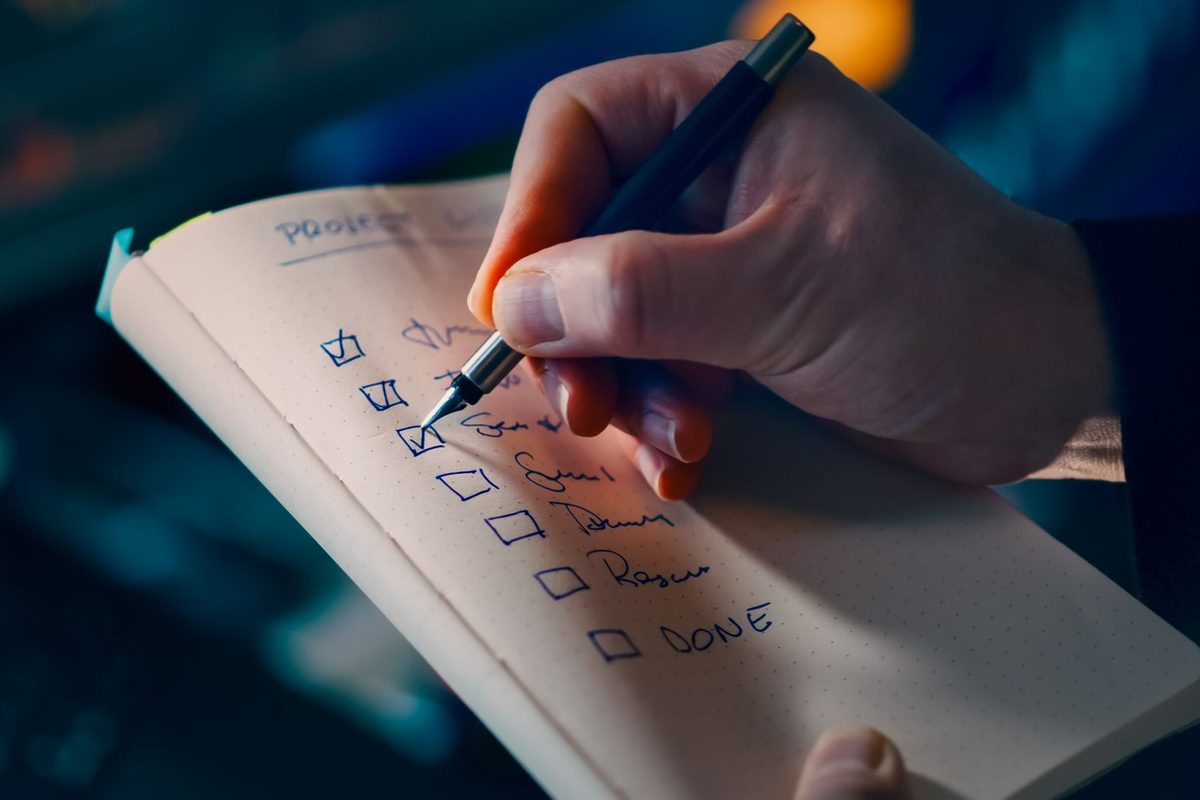
- Pause and take a breath before making another purchase.
- Notice what happened, without calling the whole month a failure.
- Write down the trigger in a few words, such as boredom, tiredness, or a sale email.
- Reread your written rules and confirm what is still in place.
- Choose one small change for next time, such as a different route home or a waiting period.
- Mark the next day as a fresh start and continue tracking.
If the same trigger keeps showing up, that is useful information. It may mean your plan needs one practical change, not more willpower. These no spend challenge tips work best when they stay simple, repeatable, and kind to yourself.
No Spend Month Mistakes FAQ
Why do no spend challenges fail?
They often fail from planning gaps, not from a lack of effort. Unclear rules, unplanned bills, social events, and strict all-or-nothing thinking can make small choices feel much harder than they need to be.
What happens if you break a no spend challenge?
Nothing permanent happens, and the month does not have to end. You can note what triggered the purchase, adjust one part of your plan, and restart at your next decision without waiting for a new month.
How strict should a no spend month be?
It should be firm enough to change habits, but flexible enough for real life. Keep essentials always allowed, plan a few exceptions in advance, and avoid rules so strict that one small purchase feels like a total failure.
Should I try a shorter challenge first?
A shorter challenge can be a helpful first step if a full month feels overwhelming. A week or two can help you test your rules, learn your triggers, and build confidence before trying a longer version.
Keep reading
The Bottom Line
Your first no spend month does not need to be perfect to be useful. It needs clear rules, a plan for essentials, room for real life, and a simple way to keep going after a slip.
Start with one fix from this list, not all seven at once. Small, practical changes are easier to keep, and they often make the biggest difference in how the month feels.
This post is general information, not financial advice.
Photos: Jakub Zerdzicki, Tim Douglas and Kaboompics.com via Pexels (Pexels License).
Save this to your Pinterest board for later.