📌 Save this for later on Pinterest
For me, the easiest way to stop dreading December was to think about gifts for the whole year at once. A lot of gift overspending happens because Christmas, birthdays and small occasions are budgeted separately, or not at all. Each gift feels small on its own, and the total only shows up on the card statement.
A whole-year gift budget turns those surprise costs into planned ones. This guide walks you through five simple steps, and the free printable gift planner below gives you a page to fill in as you go.
If you only have 30 seconds
- List every person and every occasion for the year, not just Christmas.
- Pick one total you can afford, then split it by person and by month.
- Set money aside a little at a time, so December is already paid for.
- Download the free yearly gift planner and fill it in as you read.
List EveryonePick a TotalSplit by MonthSinking FundFree Planner

What a Gift Budget Is and Why It Saves More Than a Christmas Budget Alone
A gift budget is one yearly plan for everything you give, from birthday presents to holiday gifts, thank-you gifts, and small treats for special occasions. A christmas gift budget on its own can help in December, but it leaves the rest of the year unplanned.
Tip: Think of a gift budget as a giving plan, not a restriction. If a gift matters to you, keep it and trim somewhere that matters less.
When all of those occasions sit in one plan, you can see the full picture before you spend. You might notice that two busy months hold most of your occasions, or that small gifts add up faster than one big gift. That view makes it easier to shift money around early, rather than cutting back at the last minute.
A yearly plan also protects your other goals. Without it, gift spending often comes from whatever is left in your checking account, or from a card you plan to pay off later. With it, gifts have their own place, so they do not compete with rent, groceries, or savings in a stressful way.
List Everyone You Buy For (and Every Occasion)
Start with a simple list, not a perfect one. I like starting on paper before moving anything into a spreadsheet. Write down everyone you usually buy for, then add every occasion you can remember for them.

Do not worry about exact amounts yet. This step is about catching the occasions that usually surprise you, so your total is realistic. Look back at last year’s calendar, cards, and messages if that helps you remember.
Here is a simple example to show the shape of the list. Your people, occasions, and amounts will look different, and that is the point.
| Person | Occasions | Rough amount |
|---|---|---|
| Partner | Birthday, holiday, anniversary | About $50–$100 per occasion |
| Close family member | Birthday, holiday | About $25–$50 per occasion |
| Friend | Birthday, holiday | About $15–$30 per occasion |
| Coworker or neighbor | Holiday, thank-you | About $10–$20 per occasion |
| Child in your life | Birthday, holiday | About $20–$40 per occasion |
Tip: Add a row for “unexpected gifts” with a small amount, such as about $5–$10 per occasion. That cushion covers last-minute invitations and new occasions without breaking your plan.
Once your list is done, count the occasions. I’ve noticed the small occasions are usually the ones that catch people off guard. Small occasions add up quickly, even when each gift is modest.
How to Pick a Total Gift Budget You Can Actually Afford
If you are wondering how to make a gift budget that you can stick with, start with what you can afford, not with what you wish you could spend. Look at your monthly income after essentials, and choose a yearly total that leaves room for bills, savings, and everyday life.

Tip: Set the yearly total before you shop for any single occasion. Each gift then becomes a choice inside a plan.
One simple way to test a total is to divide it by 12. If a $600 yearly total means setting aside $50 a month, ask whether $50 a month feels steady all year. If it feels stressful in a lean month, lower the total and adjust the per-person amounts.
There is no single right answer to how much to spend on gifts. It depends on your income, your household, how many people you buy for, and what giving means to you. Some years call for smaller gifts, and that is okay.
If you share gift costs with a partner or family member, agree on the total together. Talk about who is included and which occasions matter most, so holiday shopping does not bring confusion later.
Save this for later
Pin this to your board so it’s ready next time.
How to Split Your Gift Budget by Person and Month
Once you have a total, split it by person first, then by month. Start with the people and occasions that matter most to you, and give them the largest share.
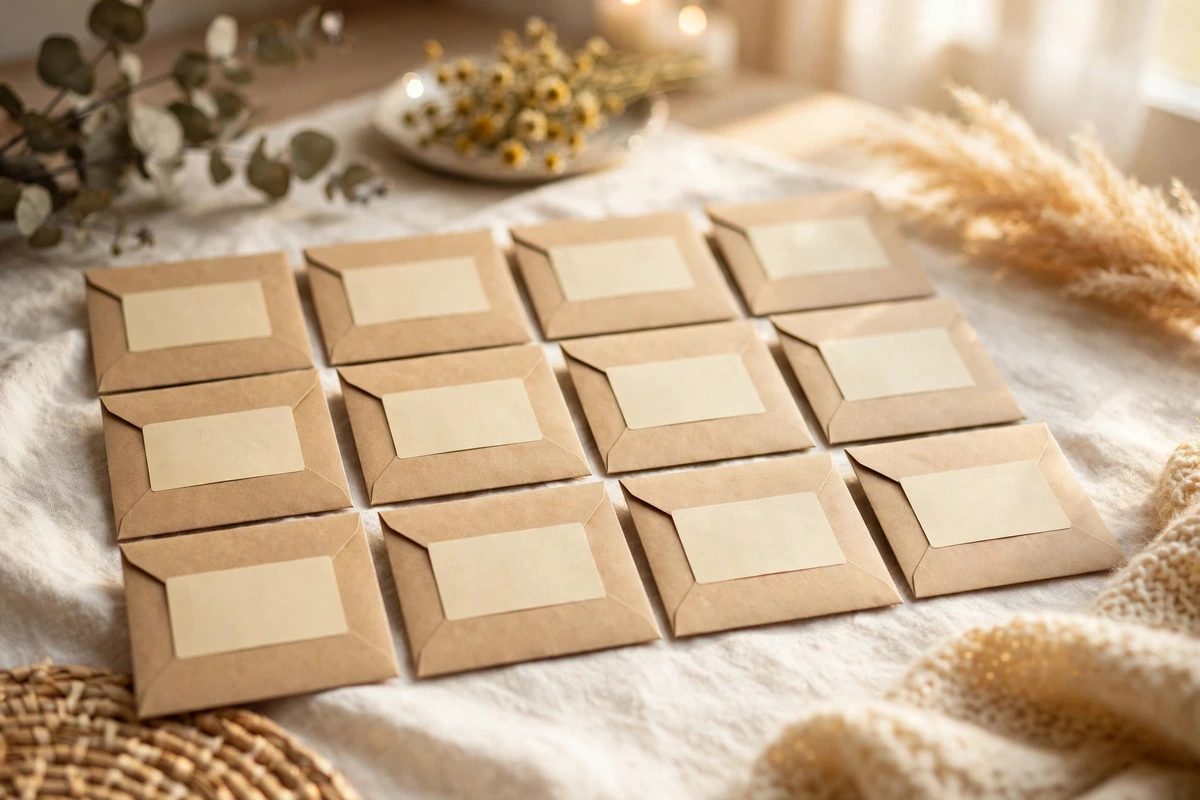
Then spread what is left across friends, coworkers, and smaller occasions, using rough tiers instead of exact prices. For ideas that fit small tiers, see these cheap gift ideas for friends and cheap coworker gifts.
The example below uses round numbers and a $600 yearly total. It is an example only, so change the total and the shares to fit your list.
| Group | Yearly amount | Monthly set-aside |
|---|---|---|
| Partner | $240 | $20 |
| Close family | $180 | $15 |
| Friends | $90 | $7.50 |
| Coworkers and neighbors | $30 | $2.50 |
| Unexpected gifts | $60 | $5 |
| Total | $600 | $50 |
Splitting by month makes the yearly total feel manageable. Instead of finding $600 in December, you set aside a smaller amount each month and let it build. If your occasions cluster in one season, you can still save evenly through the year and spend more in that busy season.
Tip: Keep larger gifts in the same plan as smaller ones. A bigger gift feels very different when it is one planned line in the yearly total than when it appears as a surprise in an already busy month.
If one person has several occasions, add those occasions together before you set their yearly amount. That way, a birthday in spring and a holiday gift in winter both come from the same share.
Build a Gift Sinking Fund So December Is Already Paid For
A gift sinking fund is simply money you set aside regularly for gifts you know are coming. You save a little each month, keep it separate from everyday spending, and use it only for gifts and gift-related costs. By December, the money for holiday gifts is already there, and you can shop from a list of cheap Christmas gift ideas without stress.

You can keep this fund in a separate savings account, a labeled envelope for cash, or a simple gift budget spreadsheet that tracks what you have saved. The method matters less than the habit of keeping gift money apart from money for groceries, bills, and daily spending.
Tip: Move your monthly gift amount on payday, if you can. When the transfer happens first, you do not have to rely on willpower at the end of the month to save what is left.
Start with the monthly amount from your split, even if it is small. A steady amount each month builds into a useful fund over a year. If you start mid-year, divide what you still need by the months left, rather than trying to save the whole yearly total at once.
Free printable: yearly gift planner
Page one lists every person and occasion by month with a budget column. Page two is a 12-month gift sinking fund tracker.
Track Gift Spending and Adjust Each Season
Tracking works best when it is simple, not detailed. For me, a quick note after each purchase is enough.
Watch out: Wrapping, cards, postage and shipping are where gift budgets slip. Give them their own small line, or add them to each person’s amount.
After you buy a gift, write down the person, the occasion, and the total cost, including extras. A notebook, a notes app, or a gift budget spreadsheet all work, so choose the one you will actually open.
Hidden costs are where many gift budgets slip. Wrapping paper, gift bags, cards, postage, and shipping can add a noticeable amount, especially when several gifts go out at once. Gatherings add costs too, from food you bring to a small host gift.
Plan for them in one of two ways. You can add a small line in your budget for wrapping, shipping, and cards, or you can include those costs in each person’s amount. Either approach works, as long as you count them somewhere.
Tip: Buy wrapping supplies and cards in small batches when you see a good value, and store them with your gift list. Having supplies on hand makes last-minute gifts cheaper and less stressful.
Use this seasonal check-in to adjust, not to judge yourself. If you overspent on one person, you can trim another gift or shift money from a later occasion. If you underspent, you can carry that money forward to a busier season.
Seasonal check-in checklist
- Update your occasion list for the next season.
- Add up what you spent, including wrapping, shipping, and cards.
- Compare spending with your plan for each person.
- Move leftover money to a busier season, if needed.
- Adjust next season’s amounts before you start shopping.
- Restock cards and wrapping supplies while you have time.
If a season brings an unexpected occasion, use your cushion for unexpected gifts first. If that cushion runs out, adjust another gift rather than adding new debt.
Gift Budget FAQ
How much should I budget for gifts?
Budget an amount you can save steadily all year without cutting essentials or using debt. Start with your occasion list, add rough amounts for each person, and then check whether the monthly total feels comfortable. If it does not, lower the per-person amounts before you lower savings for other goals.
How much should you spend on Christmas gifts per person?
Spend an amount that fits inside your yearly total, rather than picking a Christmas amount on its own. It is common to spend more on a partner or close family member and less on friends, coworkers, or neighbors. Choose rough tiers ahead of time, so December shopping stays inside the plan you already made.
How do I make a gift budget?
List everyone you buy for and every occasion, pick a yearly total you can afford, and split it by person and by month. Set that monthly amount aside in a separate place and track what you spend. Adjust each season, and let the yearly view do the work.
How do you save money on gifts?
Plan early, shop from your list, and use what you already have, like supplies, skills, or time, when it fits the person. Buying in small batches and counting wrapping and shipping in your total can also help. The biggest saving often comes from deciding the amount first, so impulse gifts do not quietly take over.
Keep reading
The Bottom Line
A gift budget for the whole year is not about giving less. I like thinking of it as a giving plan, so the gifts that matter most always have room.
The same planning works for other fun spending too, like a date night budget. It is about giving yourself a clear plan, so every gift, from a birthday surprise to a holiday present, has a place, and December can feel calm. List your people, pick a total you can afford, split it by person and month, save a little at a time, and check in each season.
Save this to your Pinterest board for later.