📌 Save this for later on Pinterest
I like making the big decisions on a quiet evening before the month starts, so day one feels easy. Learning how to do a no spend month gets easier when most of the hard choices are made before day one.
A no spend month is simply a set period when you pause non-essential spending and pay attention to what you already have. The first week is usually the hardest part, because old habits show up before new ones feel normal. This guide walks you through the whole process, from choosing a month to reviewing what you learned, without asking for perfection.
If you only have 30 seconds
- Make most decisions before day one: pick your month, write short rules, and pay bills first.
- Keep essentials always allowed: bills, debt payments, medication, and groceries.
- Plan meals and free fun in advance, so the first week feels easier, not stricter.
- Check in every Sunday, and review at the end, instead of aiming for a perfect month.
Choose Your MonthWrite Your RulesBills and GroceriesSunday Check-In
What a No Spend Month Is (and Isn’t)
A no spend month is not about going without food, medicine, or a safe home. It is about pressing pause on extras, like takeout, new clothes, decor, and impulse buys, for a set period.
Doing it well starts with a clear, kind purpose. You might want to notice where money slips away, build a small cushion, or simply reset habits that no longer fit your goals. A clear purpose helps on a dull evening, when a small purchase feels harmless but would break the pause you chose.
Tip: Write your purpose in one sentence and keep it with your rules, where you can see it when you are tempted.
This guide is written as a no spend challenge for beginners, so it keeps the process simple. A 30 day no spend challenge works best when it feels like a reset, not a punishment. If you treat a slip as failure, you are more likely to quit, but if you treat it as information, you can adjust and keep going.
- Always paid: bills, debt payments, medication, groceries, and other true essentials.
- Paused for the month: non-essential shopping, extras, and upgrades you can delay.
- Decided in advance: gifts, travel, and other one-off costs, so they do not surprise you.
Choose Your Month and Mark the Dates
Any month can work, so choose one that feels steady rather than perfect. January is a popular pick, and this No Spend January plan breaks it into four weeks.
Look for a month without a major move, a large planned trip, or several big celebrations if you can. A calmer month gives you room to learn the habit, without adding extra pressure.
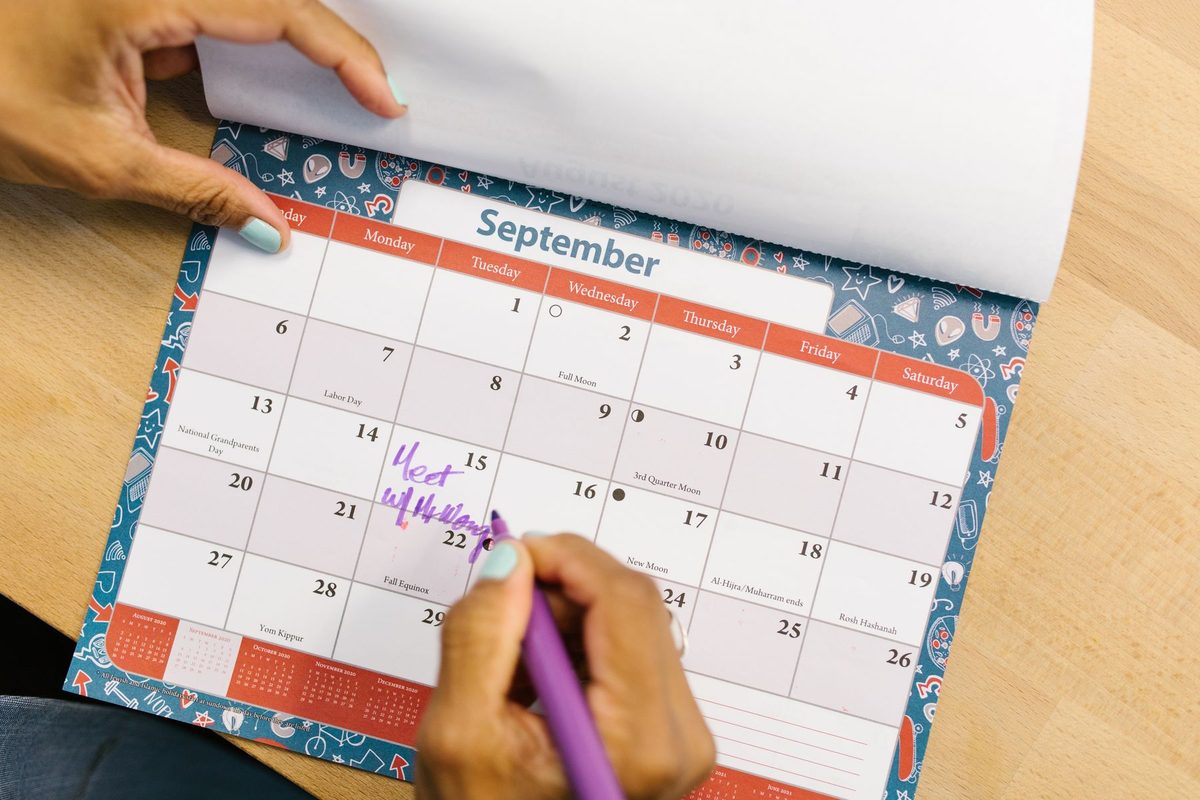
Mark the start date, the end date, and your Sunday check-ins on a calendar you actually use. If other people share your household spending, talk through the dates together before day one. A shared start date avoids confusion, and it makes the month feel like a plan, not a surprise.
- Pick a start date and an end date, and write them down.
- Note paydays and bill due dates, so nothing essential is missed.
- Choose one simple way to track the month, such as a notebook or a notes app.
Tip: If a special event falls inside the month, decide how you will handle it before day one, rather than in the moment.
Write Down Your No Spend Rules in Five Minutes
Set a timer for five minutes and write your rules in plain words. I find a sticky note on the fridge is harder to ignore than a note buried in my phone.
Short rules are easier to remember, and easier to follow on a busy day. Keep it to what you truly need. If you want a fuller set to borrow from, these no spend challenge rules cover the common gray areas.
- Allowed: essentials, plus any exceptions you decided in advance.
- Paused: non-essential shopping and extras for the month.
- If you are unsure: pause it, write it down, and revisit it at your Sunday check-in.
Keep the list where you will see it, such as on the fridge or in your phone. When a want comes up, check the list first, instead of debating it from scratch. That small pause is often enough to keep the month on track.
Pay Bills First and Plan Your Groceries
Before day one, list every bill due during the month and make sure it will be paid on time. Include debt payments, medication, and other regular essentials in that same check. Bills, debt payments, medication, and groceries are always paid, even during a no spend month.
Then set a grocery plan that fits real life, not a strict new low. Look at what you usually spend, choose a realistic limit for the month, and build meals around food you already have. A plan that leaves room for fresh food and small comforts is easier to keep than one that feels like a shortage.
Tip: Shop with a list, and check your pantry and freezer before you go, so you buy less of what you already own.
- Pay bills on their usual schedule, and keep proof or notes of each payment.
- Plan grocery shopping for the week, not just for one day.
- Keep medication refills and other health essentials on your allowed list.
Plan Meals and Free Fun Before Day One
Meals and free fun deserve a plan, because boredom often leads to spending. When dinner is already decided and the evening already has an activity, you have less reason to browse shops for something to do. A little planning here protects the whole month.
Meals:
- Build a few simple meals you can repeat, using pantry staples first. These pantry meal ideas are a good place to start.
- Prep snacks and lunches ahead, so busy days do not turn into takeout days.
- Keep one easy backup meal for nights when cooking feels hard.
Free fun:
- Take a walk, visit the library, or cook a new recipe with food at home.
- Plan a game night, a movie night at home, or a call with a friend. For more, see these no spend weekend ideas.
- Use what you already own, such as books, crafts, or outdoor gear.
Tip: Make a list of ten free things you enjoy, and post it where you will see it when boredom hits.
Save this for later
Pin this to your board so it’s ready next time.
Clear the Temptations Out of Your Way
Willpower helps, but your surroundings help more. For me, logging out of shopping apps does more than any pep talk.
If tempting shops are one tap away, you will have to resist them many times a day. Clearing those temptations in advance makes the easier choice the default choice.
- Remove saved cards from shopping apps and browsers for the month.
- Mute or pause sale emails, so offers do not arrive at weak moments.
- Move shopping apps off your home screen, or delete them until the month ends.
- Keep a short waiting list for wants, and review it only at your Sunday check-in.
- Put your card in a less convenient place, while keeping it available for essentials.
If you need to buy an essential, make a list first and buy only what is on it. That habit keeps a quick grocery run from turning into extra shopping. It also makes it easier to see, at the end of the month, what you truly needed.
Free printable: no spend month checklist
A one-page checklist for the week before you start, plus four Sunday check-in boxes and an end-of-month review.
Check In Every Sunday
A Sunday check-in keeps the month honest without making it stressful. Set aside ten minutes, look back at the week, and decide one small adjustment for the next week. The goal is learning, not grading yourself.
| Week | Focus | Quick check-in question |
|---|---|---|
| Week 1 | Settling in and noticing habits | What tempted me most, and what helped me pause? |
| Week 2 | Meals, routines, and free fun | Did my meal and activity plans work, or do they need a change? |
| Week 3 | Energy and boredom | Where did boredom or tiredness lead to wanting to shop? |
| Week 4 | Finishing and reviewing | What do I want to keep after this month ends? |
Write your answers in a few short lines, and keep them for your final review. If a week felt hard, change the plan for the next week, instead of changing the whole month. Small adjustments are what make a no spend month last.
Finish Strong and Review What You Learned
The last few days are not a race to spend what you saved. Finish the month as you started it, with your rules and your Sunday check-in still in place. A calm finish makes the review more useful, and the habits easier to keep.
- What was easier than I expected?
- What triggered spending most often?
- What free activities did I actually enjoy?
- What would I change if I did this again?
Tip: Do your review within a few days of finishing, while the details are still fresh. Note one habit to keep, one trigger to watch, and one change for next time. That short note turns a single month into a plan you can use again.
No Spend Month FAQ
How do you start a no spend month?
If you are wondering how to start a no spend challenge, begin before day one, not on it. Choose your month, write short rules, pay bills first, and plan meals and free fun. Then start, check in each Sunday, and adjust as you learn, instead of waiting for a perfect month.
What can I buy during a no spend month?
You can buy essentials, including bills, debt payments, medication, and groceries. You can also buy anything you planned as an exception before day one, such as a gift or a needed repair you already decided on. Everything else stays paused, so you can see what you truly miss and what you do not.
Is a no spend month worth it?
For many people, yes, because it makes spending visible and gives habits time to change. A month is long enough to notice patterns, but short enough to finish without feeling trapped. It is most useful when you keep essentials paid, keep the rules simple, and use the review to shape what comes next.
What should I do if I slip up during a no spend month?
Note what happened, without turning one purchase into a reason to quit. Ask what triggered it, adjust your plan if needed, and return to your rules the next day. A slip is useful information, not proof that the whole month failed.
Keep reading
The Bottom Line
A no spend month is a process, not a test of perfection. Choose a month, write short rules, pay what must be paid, and plan for meals, fun, and temptations before day one. Then check in each Sunday, finish calmly, and review what you learned.
Keep what worked, let go of what did not, and use that knowledge for the months ahead. That is how one quiet month can change how you spend, without changing everything at once.
This post is general information, not financial advice.
Photos: RDNE Stock project, Towfiqu barbhuiya, betül nur akyürek and Kaboompics.com via Pexels (Pexels License).
Save this to your Pinterest board for later.