📌 Save this for later on Pinterest
A no spend challenge printable calendar turns an abstract goal into a streak you can see. I like that simple shift, because it moves the focus from willpower to a clear daily choice.
A page on the fridge is a quiet daily reminder. You see it while you make breakfast, plan the day, or reach for your keys, and that small pause can be enough to stay on track.
If you only have 30 seconds
- A visible calendar makes progress easy to see, one day at a time.
- Pick one simple mark for a no spend day and use it every day.
- Put your short rules box, planned exceptions, and small free rewards on the same page.
- Review the page at month end, keep what worked, and start fresh next month.
How It WorksSet It UpColor CodeMonthly Review

How a No Spend Challenge Printable Calendar Works
A no spend calendar is a single month on one page, with space to mark each day as you go. It is also a no spend tracker you can check without opening an app or scrolling through notes.
The power is in the visual streak. When several marked days sit side by side, you can see momentum building, and a blank or different mark does not erase that progress.
Tip: Place the calendar where you will see it in the morning, so marking it becomes part of your routine, not an extra chore.
- One page for the whole month, so the full pattern stays visible.
- One mark per day, so tracking takes less than a minute.
- Space for notes, so you can record why a day did or did not count.
That simplicity is the point. You do not need a complicated system to track no spend days, just a consistent mark and a place you will actually look.
New to this? Start with how to do a no spend month, then come back to set up your tracker.
If you miss a day of marking, fill it in the next morning while the day is still fresh. A small gap does not ruin the tracker, and a prompt, honest note is more helpful than guessing later.
Free printable: no spend challenge calendar
A blank month grid with a color-code legend, a short rules box, planned exceptions and a reward row. Print one copy per month.
Set Up Your Calendar Before Day One
Start with the free no spend challenge printable below, printed for the month ahead, and keep one copy ready before your start date.
Write the month at the top and fill in the dates before day one. That small setup step removes daily guesswork and helps you start on a calm note.
- Choose a spot you see daily, such as the fridge or a notebook you open each morning.
- Keep a pen or marker beside the calendar, so marking takes seconds.
- Decide your start and end dates in advance, and write them on the page.
I find setup works best when it stays short. If the page feels crowded before you begin, you are less likely to use it, so leave plenty of white space for daily marks.
Tip: Print a spare copy for notes or mistakes, so one slip of the pen does not spoil the whole month.
Once the calendar is ready, you only need to return to it once a day. That low effort is what makes the habit easier to keep.
Mark Each Day With a Simple Color Code
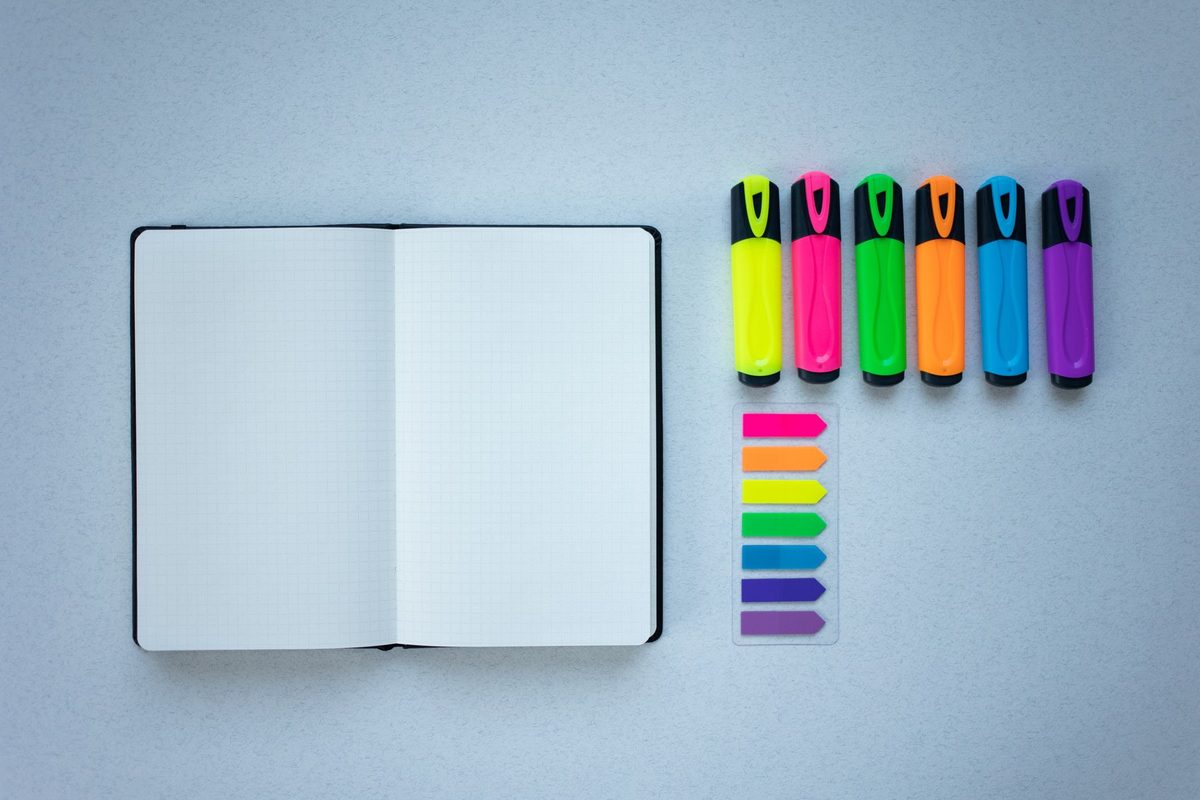
A color code turns a quick glance into useful information. Choose colors you already have, and use the same meaning all month.
| Mark | Meaning | Example |
|---|---|---|
| Green dot | No spend day | You bought nothing outside your planned essentials |
| Yellow dot | Planned spending day | You paid a bill or bought planned groceries |
| Red dot | Unplanned spending day | You bought something on impulse that was not planned |
| Star | Milestone day | You completed seven marked days in a row |
Keep the code to three or four marks at most. More colors look pretty, but they also make daily tracking slower and harder to remember.
Tip: Write the code in a small legend at the top of the page, so you do not have to guess what each color meant last week.
Mark the day at the same time each evening, if you can. I like doing mine right after dinner, when the day is basically done. That routine helps you remember accurately, instead of trying to recall several days at once.
- Mark honestly, even on unplanned spending days, because the pattern is more useful than a perfect-looking page.
- Add one short note only when it helps, such as “birthday gift” or “planned grocery run.”
- Leave future days blank, so the streak you have built stays clear.
If you share a home, keep the calendar in a shared spot only if that feels comfortable. Otherwise, a notebook or planner page works just as well, as long as you see it daily.
Save this for later
Pin this to your board so it’s ready next time.
Add Small Free Rewards to Your Calendar
Small free rewards give the calendar a second purpose. They turn a row of marked days into something to look forward to, without adding spending back in.
- A slow morning with coffee you already have at home.
- An evening walk, a library book, or a favorite show.
- Extra time for a hobby, a long bath, or a phone call with a friend.
- A picnic with food already in the kitchen, or a cozy night in. More ideas in these no spend weekend ideas.
Space rewards out, rather than adding one every day. A reward after a week of steady tracking feels special, while a daily reward can quickly lose its meaning.
Tip: Write rewards directly on the calendar dates when you plan them, so they feel like part of the challenge, not an afterthought.
Keep rewards free and simple, and skip anything that requires a purchase to enjoy it. The point is to celebrate progress in a way that supports the goal, not one that quietly restarts spending.
If a reward no longer feels enjoyable, swap it for another free option next month. The calendar should feel encouraging, not like a list of chores.
Write Your Rules and Exceptions on the Page
Use a small box on the calendar for your short rules and planned exceptions. That box keeps the whole challenge on one page, so you do not need to search for a separate list.
Keep the box brief, with just the lines you need to check each day. For most people, that means essentials stay allowed, planned spending is noted in advance, and anything else waits until the month ends. If you need help with wording, borrow from these no spend challenge rules.
Writing exceptions in advance also removes a daily debate. When a planned event or bill is already on the page, you can mark it without wondering whether it breaks the challenge.
Tip: Write exceptions in pencil if plans may change, so the box stays accurate without messy crossings-out.
- Keep the box to a few short lines.
- Note planned exceptions by date, when you know them.
- Review the box at the start of the month, not every day.
Keep the wording positive and simple, so the box reads like a reminder, not a warning. Short phrases are easier to follow on a busy day than long explanations.
If you are unsure about a purchase, write it down and wait a day before deciding. That pause often makes the choice clearer, and your calendar gives you a place to note it.
Review and Reuse the Calendar Every Month
At the end of the month, take a few minutes to review the page before you recycle it. Look for patterns, not perfection, and notice which days felt easiest and which felt hardest.

A short review turns one month into useful guidance for the next. You might notice that weekends need more planning, or that a morning mark helps more than an evening mark.
Tip: Write one sentence at the bottom of the page about what to keep and what to change, so next month starts with a clear idea.
- Count your no spend days and your planned spending days.
- Note any pattern, such as busy days or social plans that led to spending.
- Keep the color code that worked, and simplify anything that felt confusing.
- Move your favorite free rewards forward, and drop ones you did not enjoy.
- Print a fresh calendar, copy your rules box, and set a new start date.
Reuse is part of the system, not a sign that you failed to finish. Each fresh page is a chance to adjust the setup, not to start from scratch with a stricter plan.
Store old calendars in a folder or notebook if you like seeing progress over time. A small stack of marked pages can be a quiet reminder of how steady the habit has become.
You do not need to keep every old page forever. Keep the most recent one for reference, and let older pages go once you have noted what helped.
No Spend Calendar FAQ
How do you track a no spend challenge?
Use one calendar page for the month and mark each day with the same simple code. Record planned spending separately from unplanned spending, so you can see the pattern clearly. Check the page once a day, preferably at the same time, so tracking stays accurate and quick.
What counts as a no spend day?
A no spend day is a day when you spend nothing outside your planned essentials. Bills and planned groceries do not turn a day into a failure, as long as they were planned in advance and noted on the calendar. If you are unsure, treat the day as a planned spending day and add a short note, rather than forcing it into a category that does not fit.
Is a paper calendar better than an app?
A paper calendar is better if you like a visible reminder and a simple, screen-free check each day. An app may suit you if you prefer reminders or you track on the go, but it can also be easier to ignore. The best no spend tracker is the one you will actually open, so choose the format that fits your daily routine, not the one that looks most detailed.
How many no spend days should I aim for?
Aim for a target that feels steady, not perfect, especially in your first month. Some people start with a few no spend days each week, then build up as the routine feels easier. A realistic target you can repeat next month is more useful than a strict target that leaves you feeling discouraged after one busy week.
Keep reading
The Bottom Line
A printable calendar does not make a no spend challenge effortless, but it does make progress visible. One page, one mark, and one daily check can turn a vague goal into a habit you can see growing.
Start with a simple color code, add a few free rewards, and keep your rules box short. Review the page at month end, reuse what worked, and let the next calendar start a little easier than the last.
Print the free calendar above and mark your first day when you are ready.
This post is general information, not financial advice.
Photos: KATRIN BOLOVTSOVA, Leeloo The First, Towfiqu barbhuiya, cottonbro studio via Pexels (Pexels License).
Save this to your Pinterest board for later.