📌 Save this for later on Pinterest
Most kitchens hold more meals than they look like at first glance. Learning how to eat from your pantry is less about emptying every shelf and more about using what you have first, then topping up only fresh basics.
I find that when you plan that way, a pantry challenge feels practical, not punishing, and it can cut down on extra trips and wasted food. This guide walks through a simple method you can repeat, week by week, for a full month.
If you only have 30 seconds
- Start with what you already have, and let your pantry, fridge, and freezer set the menu for the month.
- Use fresh and opened food first, then build simple meals around rice, pasta, beans, and canned goods.
- Buy only a small top-up of fresh basics, and keep a running list so you do not buy the same thing twice.
- Work through the month in four weekly focuses, so the challenge feels steady instead of strict.
InventoryUse It FirstMeal Formulas4 Week Plan
How to Eat From Your Pantry: What It Really Means
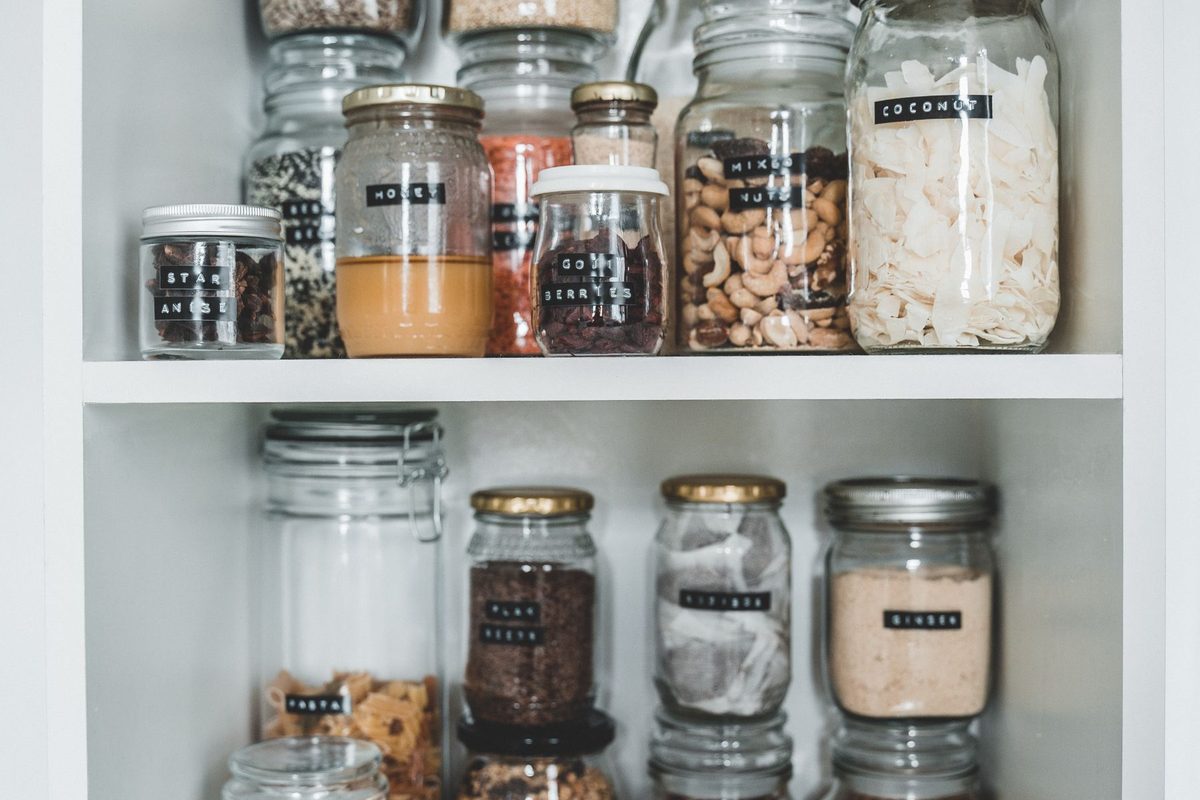
A pantry challenge means you shop your own kitchen first. You still eat regular meals, and you still buy fresh food when you need it. The shift is in the order: check what is already there before you add anything new to the cart.
That order matters because it stops a common pattern, where a full pantry sits untouched while new groceries pile up on top of it. When you start from the shelf, you also notice duplicates, half-used bags, and items that have been waiting for a use. Keep the challenge flexible, and let one planned exception, such as a birthday meal, fit without ending the whole month.
- Counts as pantry food: dry goods, canned goods, frozen food, and staples already in your kitchen.
- Still okay to buy: fresh milk, eggs, bread, fruit, and vegetables to round out meals.
- Not the goal: skipping meals, eating only one food, or forcing yourself to finish something you do not like.
Take a Quick Pantry, Fridge and Freezer Inventory
Start with a quick look, not a perfect clean-out. Open the pantry, fridge, and freezer, and note the main groups you see. You are looking for enough to plan meals, not an exact count of every item.
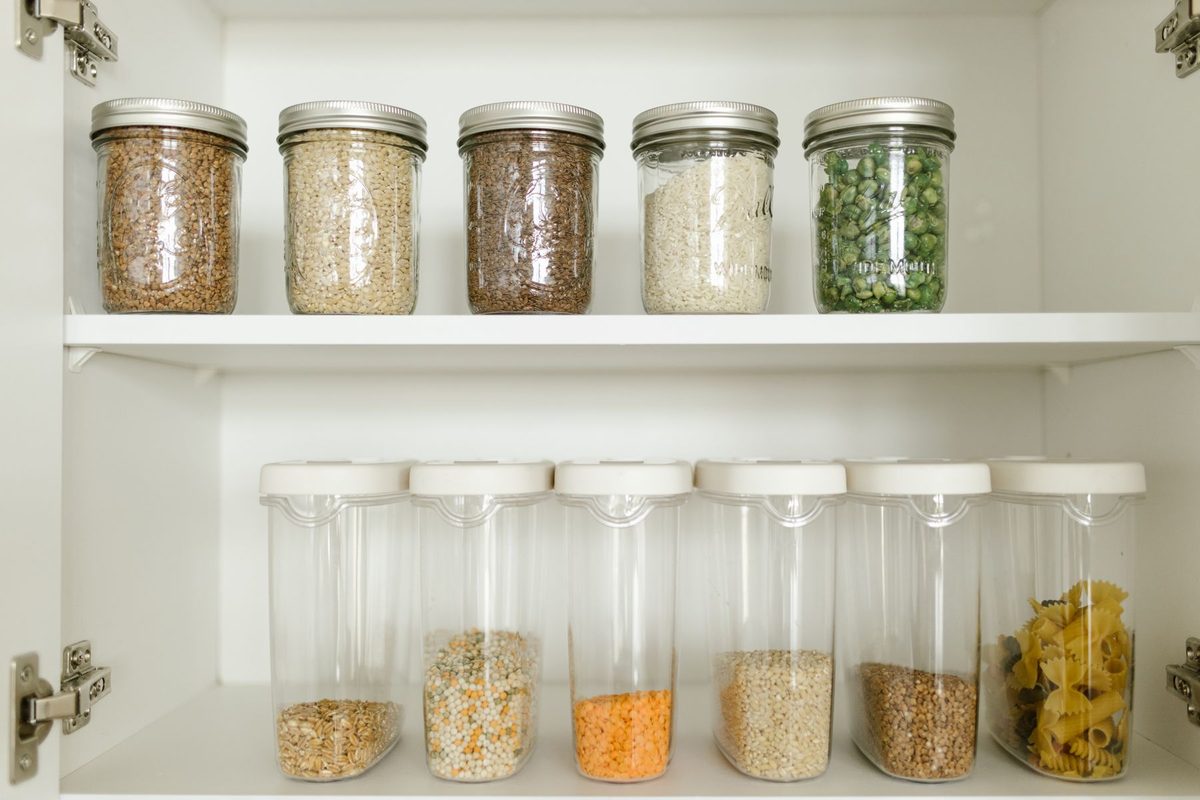
Sort what you find into simple groups, such as grains, beans, canned vegetables, sauces, frozen meals, and baking basics. This makes meal planning faster, because you can see at a glance whether you have a base, a protein, and something to add flavor.
Tip: Write the list on paper or in a note on your phone, and keep it where you plan meals.
Check dates as you go, and move anything close to its date to the front. Use your judgment, and when in doubt, set the item aside rather than guessing.
Use Up What Spoils First
Fresh food should lead the plan, because it will not wait. Start each week by using vegetables, fruit, dairy, and bread that are already open or close to spoiling. Then fill in the rest of the meal from dry or frozen staples that keep longer.
Opened sauces, half-used bags, and leftovers belong at the top of the list too. Using them first keeps them from being forgotten at the back of a shelf.
Tip: Place a small box or shelf section for use-first items, so anyone cooking can see them quickly.
If something looks or smells off, throw it out. I would always rather lose one jar than take a chance. A pantry challenge is about using what you have well, not about taking risks with food.
Build Meals From What You Have
You do not need new recipes to eat from your pantry, though these pantry meal ideas help when you are stuck. Most meals follow a simple formula: a base, a protein or bean, a vegetable, and a sauce or seasoning. Once you see that pattern, you can mix and match without starting from scratch each night.
| Pantry staple | Easy meal idea | Small fresh add-on |
|---|---|---|
| Rice | Rice bowl with beans and vegetables | Fresh herbs or a salad |
| Pasta | Pasta with canned tomatoes and beans | Fresh spinach or grated cheese |
| Oats | Warm oats with dried fruit and nuts | Fresh fruit or milk |
| Canned beans | Bean tacos with rice and salsa | Shredded lettuce or tomato |
| Frozen vegetables | Stir-fry with noodles and sauce | Fresh egg or green onion |
| Flour and baking basics | Simple flatbread with beans and vegetables | Fresh salad or yogurt dip |
I keep the fresh add-on small, because its job is to lift the meal, not replace the pantry base. A little fresh crunch, color, or dairy can make a simple pantry meal feel complete.
Tip: Pick two or three formulas your household likes, and repeat them with different sauces and vegetables.
If a formula does not work, change one part instead of starting over. That small change keeps the plan flexible and the cooking simple.
Save this for later
Pin this to your board so it’s ready next time.
Set a Small Top-Up Budget for Fresh Food
A top-up budget is a limit for fresh basics, not a second full shop. Decide the amount before you shop, and keep it small enough that the pantry still leads. This keeps the challenge honest without making meals feel bare.
Fresh basics usually mean milk, eggs, bread, fruit, and vegetables that do not keep for a month. Buy those in small amounts, and use them across several meals rather than for one special dish.
Tip: Shop with a short list tied to the meals you already planned, and skip the aisles you do not need.
- Buy first: milk, eggs, bread, and fresh vegetables.
- Buy only if needed: fruit, herbs, and a small dairy item.
- Skip for now: new pantry staples you already have at home.
If you run out of a fresh item, swap it for another fresh item you already have. That swap keeps the budget steady and the meal moving.
Free printable: pantry challenge planner
A pantry, fridge and freezer inventory, a use-first list, a 4-week focus plan and a running top-up list on one page.
A Simple 4 Week Pantry Challenge Plan
A month feels long, but four weeks feel manageable. Give each week a focus, so you are not trying to use everything at once. Progress, not perfection, is what makes the plan last.
| Week | Focus | Goal |
|---|---|---|
| Week 1 | Use fresh and opened food first | Clear the fridge and start the list |
| Week 2 | Build meals around grains and beans | Find formulas that work well |
| Week 3 | Use frozen food and sauces | Empty one freezer section |
| Week 4 | Finish small amounts and odds and ends | End with a shorter, clearer pantry |
A pantry month pairs well with a no spend month, since food is often the biggest flexible cost.
Week one is about relief, because clearing fresh food first creates space and confidence. Weeks two and three do the steady work, using the bulk of what you stored. Week four is for finishing, not for starting new projects, so small bags and half-used items finally get used.
At the end of each week, update your list and note what worked. That short review makes the next week easier to plan.
Keep a Running List So You Do Not Rebuy
A running list stops the most common pantry problem: buying what you already have. Each time you use the last of an item, add it to the list. Each time you shop, check the list against what is still at home.
- Note items as they run out, not from memory later.
- Cross off items when you buy them, and add new needs at once.
- Check the pantry before every top-up shop.
- Keep the list in one place, where you plan meals.
- Review the list at the end of the month, and keep only what still helps.
This habit also helps after the challenge ends, because you will know what you actually use. That knowledge makes future shopping simpler and less wasteful, without extra effort.
Tip: Keep one list for pantry needs and one short list for fresh top-ups, so they do not mix.
If the list feels long, it is a sign to plan more meals from it, not to buy more.
Pantry Challenge FAQ
How long can you eat from your pantry?
It depends on what you have stored and how often you top up fresh basics. Many kitchens can stretch for several weeks with a small top-up, while a full month works best when you plan week by week.
What is a pantry challenge?
A pantry challenge is a set period when you eat from what you already have first. You still buy fresh basics as needed, but you avoid buying new pantry staples until the ones at home are used.
Do you still buy groceries on a pantry challenge?
Yes, in a small and planned way. Fresh milk, eggs, bread, fruit, and vegetables are the usual top-ups, because they do not last a whole month. The goal is to keep those buys small, so the pantry still provides most of the meal.
How do you avoid food waste during a pantry challenge?
Use fresh and opened food first, and plan meals around what will spoil soonest. Keep a running list, check dates, and use your judgment if something seems off.
Keep reading
The Bottom Line
Eating from your pantry for a month is a simple shift in order, not a test of willpower. Use what you have first, top up only fresh basics, and let each week clear a little more space. Think of it as a reset, not a restriction.
By the end of the month, you should know your pantry better, waste less, and shop with a clearer list. That is a useful result, even if a few items are left for next month.
This post is general information, not financial advice.
Photos: Boryslav Shoot, RDNE Stock project, Taryn Elliott via Pexels (Pexels License).
Save this to your Pinterest board for later.